





ION Gut Support
ION Gut Support: Strengthen Your Gut, Support Your Health*
Your digestive tract isn’t just responsible for breaking down food—it also serves as a protective barrier. When it’s healthy, it functions like a fine mesh, allowing nutrients to pass through while keeping out harmful bacteria, toxins, and bits of undigested food.
However, when your gut becomes stressed—often due to a poor diet, toxin overload, pathogens, blood sugar imbalances, or chronic stress—that protective barrier can begin to break down.
This condition is commonly known as leaky gut, and it occurs when the lining of the intestines becomes too porous. Larger particles, like undigested food, pathogens and toxins, can then “leak” into the bloodstream. Once there, the immune system sees them as intruders and mounts an attack.
When this happens repeatedly, the body becomes trapped in a cycle of chronic inflammation. The immune system never gets a chance to rest, which can contribute to a wide range of health issues over time.
ION Gut Support* has been clinically shown to support the healing of leaky gut by sealing the cells of your gut lining, creating a healthier foundation for a diverse and thriving microbiome. Its key ingredient—a soil-derived humic extract—supports the tight junctions between gut cells, helping block harmful toxins while improving nutrient absorption and hydration.
What are tight junctions?
Tight junctions are the connections between the cells that line your intestines. They act as gatekeepers, controlling what passes into your bloodstream. When these junctions are strong and functioning properly, your gut lining can better protect against digestive issues like gas, bloating, and indigestion.
Zinc: A Small Mineral with a Big Impact on Health
Zinc is a trace mineral, meaning it is needed by the body in very small (trace) amounts, and its impact on health is anything but minor. From powering immune responses to supporting hormonal and thyroid function, zinc is essential for nearly every cell in the body. Despite its importance, zinc deficiency remains a global health concern, affecting growth, immunity, cellular health, hormonal function, and even cognition.
Why Zinc Matters: Core Functions in the Body
Zinc is involved throughout the entire body, and is essential for:
- Immune system function
- Wound healing and tissue repair
- Cell growth and division
- DNA and protein synthesis
- Antioxidant defense
- Hormonal balance
- Neurological and cognitive performance
Without adequate zinc, the body’s ability to function, heal, and protect itself from damage caused by free radicals (unstable molecules that can damage DNA), is significantly impaired.
Dietary Sources of Zinc
Zinc can be obtained through a diverse diet. While animal products offer highly bioavailable forms of zinc, certain plant foods are also rich in this mineral.
Plant-Based Sources
- Legumes (chickpeas, lentils, beans)
- Nuts (cashews, pecans, pines, almonds)
- Seeds (pumpkin, hemp, sesame)
- Whole grains (quinoa, oats, rice)
- Vegetables (mushrooms, spinach, peas, asparagus)
Animal-Based Sources
- Red meat (beef, lamb)
- Poultry (chicken, turkey)
- Seafood (especially oysters, crab, lobster, sardines)
- Eggs (1)
Zinc and Thyroid Health
One of Zinc’s lesser known yet vital roles is in supporting thyroid function.
- Hormone Synthesis: Zinc contributes to the production of thyroid hormones triiodothyronine and thyroxine (T3 and T4), which regulate metabolism and energy.
- T4 to T3 Conversion: Zinc assists in converting thyroxine (T4) into its active form, triiodothyronine (T3).
- Autoimmune Thyroid Support: Zinc may help lessen autoimmune activity in conditions like Hashimoto’s thyroiditis (2).
Additional Health Benefits of Zinc
Immune System Support
Zinc supports a strong immune system by aiding in the development of various immune cells, including T cells, B cells, and white blood cells, helping the body ward off infections and reduce inflammation.
Wound Healing
Zinc promotes collagen production and tissue regeneration, accelerating wound repair.
Cognitive Health
It supports neurotransmitter activity and neural function, playing a significant role in key brain functions such as memory, mood, learning, and emotional regulation.
Hormonal Balance
Zinc is crucial for testosterone, insulin, and estrogen production and regulation, impacting reproductive, metabolic, and menstrual health.
Skin Health
Zinc’s anti-inflammatory and antimicrobial properties play a vital role in promoting healthy skin and wound healing, reducing inflammation, and boosting immunity. It is effective in assisting in healing acne, eczema, and other dermatologic conditions.
Digestive Health
Zinc supports enzyme function in the gut and maintains the integrity of the intestinal lining, which helps prevent leaky gut, or increased permeability in the gut. In doing so, zinc helps maintain optimal microbiome balance.
Summary
Zinc is a cornerstone of human health, with functions spanning from the molecular level to whole-body systems. While most people can meet their needs through a balanced diet, many individuals may benefit from supplementation. The amount needed varies depending on lifestyle, age, diet, weight, and specific health concerns.
By Dr. Anthony Salzarulo DC PT and Rachel Kessler MS
Selenium: An Essential Nutrient
When it comes to essential nutrients, selenium often doesn’t get the spotlight—but it should. This underrated trace mineral may be required in small amounts daily, but it plays a monumental role in your health. From thyroid balance to brain health, immune defense to fertility, selenium works quietly behind the scenes to keep your body running smoothly.
What Is Selenium and Why Is It Important?
Selenium is a natural trace mineral found in soil, water, and some foods. Although only small amounts are needed, selenium is crucial for producing selenoproteins – specialized proteins involved in thyroid hormone metabolism, antioxidant production (which protects cells from damage), cellular DNA synthesis, and improved immune function (1).
Selenium supports many physiological functions, including:
- Regulating metabolism (the mechanism responsible for converting food into energy)
- Protecting against oxidative stress (which leads to cellular and tissue damage)
- Enhancing immune system defenses
- Supporting reproductive health
- Optimizing cognitive health
- Promoting cardiovascular health
Selenium continues to draw scientific interest for its wide-ranging roles in the body. Ongoing research explores how selenium affects chronic diseases and overall health (2).
Thyroid Health
Despite its small size, the thyroid gland contains more selenium per gram of tissue than any other organ. This is because many of the body’s 25 known selenoproteins are active in the thyroid.
Low selenium levels have been linked to thyroid dysfunction, especially those associated with autoimmune disorders. Research shows that selenium supplementation may help reduce thyroid antibody levels and improve quality of life in individuals with Hashimoto’s thyroiditis, an autoimmune condition that leads to hypothyroidism (underactive thyroid). There’s also evidence that selenium may support people with Graves’ disease, an autoimmune condition that causes an overactive thyroid. Overall, adequate selenium is crucial for optimal thyroid function, and it may have therapeutic benefits for autoimmune thyroid disorders.
Cognition: Protecting the Aging Brain
Selenium’s antioxidant power also benefits the brain. Selenoproteins help reduce oxidative stress in brain cells, a key contributor to age-related cognitive decline and neurodegenerative conditions like dementia and Alzheimer’s disease. Selenium could play a protective role against cognitive decline, especially when combined with a balanced diet rich in antioxidants (3).
Health: A Role in Cardiovascular Protection
Oxidative stress and inflammation are two major contributors to heart disease—and selenium may help combat both. According to the Harvard School of Public Health, imbalanced selenium levels can lead to an increased risk of cardiovascular disease and cardiac events such as heart attacks. While selenium won’t replace traditional heart-healthy practices, maintaining optimal levels may provide an extra layer of cardiovascular protection, particularly in populations with selenium deficiency.
Type 2 Diabetes: A Delicate Balance
Research suggests that the right amount of selenium may help with blood sugar control and insulin function, both of which are extremely important for patients with type 2 diabetes. Selenium also helps reduce inflammation and oxidative stress, both of which are commonly elevated in people with diabetes. Some studies suggest that selenium may enhance insulin sensitivity and lower the risk of developing diabetes (4).
Reproductive Health
Selenium plays a crucial role in reproductive health for both women and men. By protecting sperm and eggs from oxidative stress, selenium helps prevent infertility and pregnancy loss. In men, selenium deficiency can impair sperm quality, reduce sperm count, and affect motility. In women, selenium deficiency may lead to ovulation problems and reduced egg quality (5,6).
Getting Selenium from Your Diet
For most people, the best way to meet your selenium needs is through food. Selenium from dietary sources is well-absorbed and less likely to cause toxicity compared to high-dose supplements. Brazil nuts are one of the most selenium-rich natural sources, with about 68–91 mcg per nut. Consuming just 1 or 2 Brazil nuts a day can meet or even exceed the recommended daily intake. Daily intake is dependent on age, but for most adults, 55 mcg is ideal per day (7).
While many individuals can meet their selenium needs through a balanced diet, certain health conditions may require higher therapeutic doses. The appropriate amount depends on individual health status and the body’s specific physiological needs (8).
Other selenium-rich foods include:
- Fin fish (tuna, cod, halibut, salmon, anchovies) and shellfish (shrimp)
- Eggs
- Whole grains
- Beans
- Lentils
- Poultry, turkey, beef
By Dr. Anthony Salzarulo DC PT and Rachel Kessler MS
- https://www.sciencedirect.com/topics/biochemistry-genetics-and-molecular-biology/selenoprotein
- https://nutritionsource.hsph.harvard.edu/selenium/
- Ferdous KA, Knol LL, Park HA. Association between selenium intake and cognitive function among older adults in the US: National Health and Nutrition Examination Surveys 2011-2014. J Nutr Sci. 2023 May 10;12:e57. doi: 10.1017/jns.2023.43. PMID: 37180486; PMCID: PMC10173086.
- Casanova P, Monleon D. Role of selenium in type 2 diabetes, insulin resistance and insulin secretion. World J Diabetes. 2023 Mar 15;14(3):147-158. doi: 10.4239/wjd.v14.i3.147. PMID: 37035226; PMCID: PMC10075028.
- Mistry HD, Broughton Pipkin F, Redman CW, Poston L. Selenium in reproductive health. Am J Obstet Gynecol. 2012 Jan;206(1):21-30. doi: 10.1016/j.ajog.2011.07.034. Epub 2011 Jul 29. PMID: 21963101.
- https://www.sciencedirect.com/science/article/abs/pii/S0946672X14001345
- https://ods.od.nih.gov/factsheets/Selenium-Consumer/
- https://www.stanfordchildrens.org/en/topic/default?id=selenium-19-Selenium
Olive Oil: Why It Stands Above the Rest
Olive oil has long been celebrated as the healthiest of all oils, earning its place as the cornerstone of the Mediterranean diet. This diet, rich in fruits, vegetables, whole grains, and healthy fats, has been linked to longevity and reduced risk of chronic diseases such as heart disease and diabetes. At the heart of its health benefits is extra virgin olive oil (EVOO), a powerhouse of antioxidants, polyphenols, and monounsaturated fats (1).
First Press and High Polyphenolic Content: The Secret to Health Benefits
The term “first press” refers to the initial extraction of oil from olives using mechanical means rather than heat or chemicals (2). This method ensures that the oil retains its high polyphenol content, which is crucial for its health benefits. Polyphenols are plant-based compounds known for their powerful antioxidant and anti-inflammatory properties. High-quality EVOO, when produced using cold pressing methods, retains the highest levels of these polyphenol compounds. In contrast, lesser quality olive oils often undergo chemical processing, which strips away essential nutrients whereas EVOO maintains its purity and health-enhancing properties.
Thanks to its antioxidant and anti-inflammatory effects, EVOO serves as a powerful protector against chronic diseases (1).
Oleic Acid and Its Benefits
One of the most beneficial components of olive oil is oleic acid, a monounsaturated fat that is a principal component of the oil’s composition. Research suggests that oleic acid helps reduce inflammation, supports heart health, and may even influence genes linked to cancer prevention (3).
Additionally, oleic acid is known to:
• Improve insulin sensitivity and regulate blood sugar levels.
• Support skin health by reducing dryness and inflammation.
• Enhance the absorption of fat-soluble vitamins, including A, D, E, and K (4).
Anti-Inflammatory Benefits and Antioxidants
Chronic inflammation is at the root of most diseases, some of which include arthritis, diabetes, cardiovascular, auto-immune and respiratory. Olive oil is rich in anti-inflammatory compounds, and regular consumption of EVOO has been shown to decrease inflammation throughout the body, thus reducing the risk of chronic diseases.
In addition to its anti-inflammatory properties, EVOO is packed with antioxidants that help combat oxidative stress, protect cells from damage, slow the aging process, and reduce the risk of neurodegenerative diseases (5).
Heart Health and Stroke Prevention
Cardiovascular disease is the leading causes of death worldwide. Olive oil has been shown to be one of the most effective natural tools for improving heart health. Research suggests that regular consumption of EVOO can:
• Lower LDL (bad) cholesterol while increasing HDL (good) cholesterol.
• Reduce blood pressure and improve arterial function.
• Prevent blood clots that could lead to heart attacks or strokes.
Studies have found that people who consume olive oil daily have a significantly lower risk of stroke compared to those who use other fats. This is largely due to its ability to protect blood vessels and reduce inflammation (6).
Brain Health: Nourishing the Mind
Olive oil benefits not just the body but also the brain. The monounsaturated fats and polyphenols in EVOO play a crucial role in cognitive function, memory retention, and neuroprotection (7).
Research suggests that olive oil consumption is linked to a reduced risk of Alzheimer’s disease and other neurodegenerative disorders (1).
Additionally, EVOO supports the production of brain-derived neurotrophic factor (BDNF), a protein that promotes neuroplasticity, as well as the growth and survival of neurons, enhancing overall brain function.
What to look for when buying olive oil: 3 Key Factors
1. First press/ cold-pressed: these terms are usually used interchangeably because they essentially mean the same thing. Olive oil is only considered extra virgin if it is first-press and extracted without heat; meaning it is able to retain all the beneficial polyphenols and maximum nutritional value.
2. Single origin: olive oils are either single origin and produced from olives from one location (ex. Italy or California, etc.), or from multi-origins (ex. European Union). Choosing single-origin olive oil ensures higher quality, traceability, and consistency. Sourcing from one farm also allows for better control over harvesting methods and overall freshness.
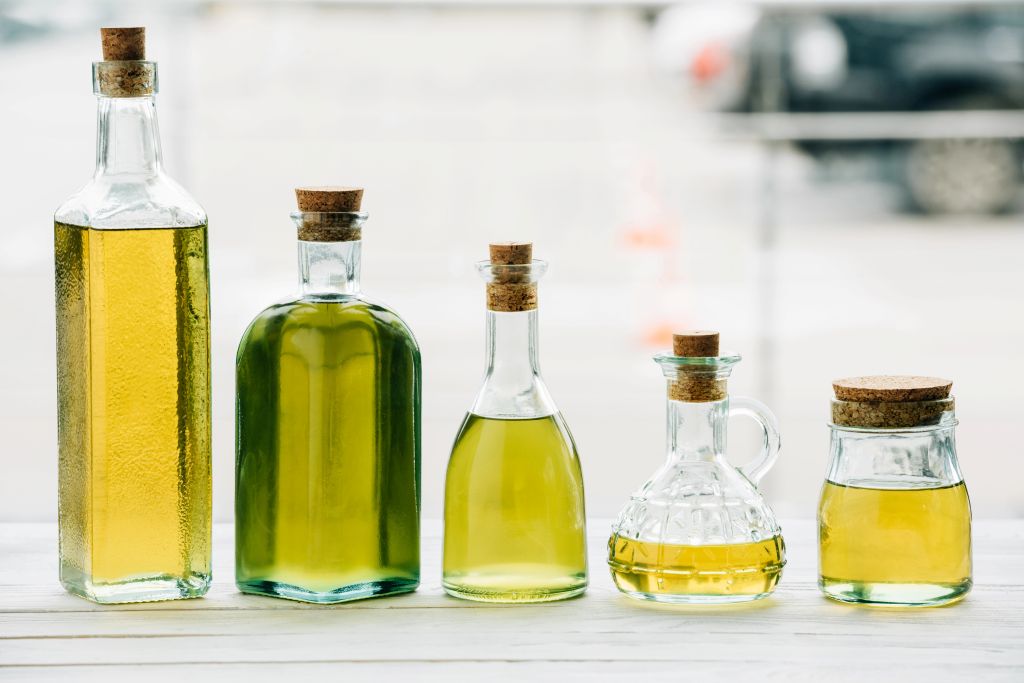
3. Must be in a dark, glass bottle: olive oil should never be stored in plastic, and it should also not be stored in clear glass, as exposure to light and heat degrades its beneficial nutrients. Even when stored in a dark glass bottle, keep your olive oil away from sunlight and in a cool, dry place, such as a cabinet, to preserve its freshness and nutrients.
Conclusion
Olive oil stands as one of the most powerful health-promoting foods available today. Its unique combination of monounsaturated fats, polyphenols, and antioxidants makes it a true superfood, supporting heart health, reducing inflammation, and enhancing cognitive function. Choosing high-quality, first-press extra virgin olive oil ensures maximum health benefits, making it an essential addition to a balanced and nutritious diet.
By Dr. Salzarulo DC PT and Rachel Kessler MS
References
1. Micheli L, Bertini L, Bonato A, Villanova N, Caruso C, Caruso M, Bernini R, Tirone F. Role of Hydroxytyrosol and Oleuropein in the Prevention of Aging and Related Disorders: Focus on Neurodegeneration, Skeletal Muscle Dysfunction and Gut Microbiota. Nutrients. 2023 Apr 4;15(7):1767. doi: 10.3390/nu15071767. PMID: 37049607; PMCID: PMC10096778.
2. https://exauoliveoil.com/blogs/olive-oil/first-cold-pressed?srsltid=AfmBOopOfGrO8N_MWssmIsvmYnsUp1qNy7JIynReNSA0poLepkbR4xYt
3. https://www.news-medical.net/news/20230223/Oleic-acid-Principal-component-of-olive-oil-responsible-for-many-health-promoting-properties.aspx#:~:text=Oleic%20acid%2C%20the%20principal%20component,now%20well%20recognized%20by%20science.
4. https://www.zejd.net/2024/08/12/evoo-enabling-nutrient-absorption/#:~:text=Fat%2DSoluble%20Vitamins%3A%20EVOO%20helps,enhancing%20their%20absorption%20and%20stability.
5. Owen RW, Giacosa A, Hull WE, Haubner R, Würtele G, Spiegelhalder B, Bartsch H. Olive-oil consumption and health: the possible role of antioxidants. Lancet Oncol. 2000 Oct;1:107-12. doi: 10.1016/s1470-2045(00)00015-2. PMID: 11905662.
6. Samieri C, Féart C, Proust-Lima C, Peuchant E, Tzourio C, Stapf C, Berr C, Barberger-Gateau P. Olive oil consumption, plasma oleic acid, and stroke incidence: the Three-City Study. Neurology. 2011 Aug 2;77(5):418-25. doi: 10.1212/WNL.0b013e318220abeb. Epub 2011 Jun 15. PMID: 21676914.
7. Gonçalves M, Vale N, Silva P. Neuroprotective Effects of Olive Oil: A Comprehensive Review of Antioxidant Properties. Antioxidants (Basel). 2024 Jun 24;13(7):762. doi: 10.3390/antiox13070762. PMID: 39061831; PMCID: PMC11274152.
Lomatium Herb
Lomatium extract is prepared from the root of Lomatium dissectum plants. Native Americans were the first to recognize the healing benefits of this amazing herb.
Traditionally, this herb has been utilized for the treatment of a range of respiratory conditions, including colds, influenza, asthma, bronchitis, and pneumonia. Lomatium is cherished by many modern-day herbalists – especially for its use in combating viruses of the respiratory tract. Lomatium is also useful for acute and chronic bacterial and fungal infections of the respiratory tract.
In addition, Lomatium contains antioxidants that may protect cells from damage.
Healthy Fats and Oils
 Much of the information regarding dietary fat intake is confusing and conflicting. Many people attempt to avoid all fats because they are misinformed. Approximately 95% of the U.S. population does not consume the right kinds of fats and oils to stay healthy. They eat refined, processed, overheated, hydrogenated and solvent-ridden oils and fats.
To reach optimal health, avoid chronic disease, and to slow the aging process, you must eat the right kinds of fats and oils. Essential fatty acids is the term used to describe the “right kind” of fats and oils. They are essential because the body needs them but cannot make them, so we must obtain them from food and or supplements.
Essential fatty acids are the building blocks of all of our cells, especially the cell membranes (the outer layer of the cell). Cell membranes are critically important because all the nutrients your cells need and all the toxic waste products they produce need to pass through the cell membranes. If you eat the right kinds of fats and oils, your cell membranes can properly regulate the passage of these nutrients and waste products.
Eating unhealthy fats leads to the cell membranes becoming clogged and inflamed, causing them to work against you. When your cell membranes are not working correctly, your cells will malfunction, which can manifest into just about any disease. The ingestion of unhealthy fats also puts a strain on our organs, especially the primary detoxification organs, namely the liver and gallbladder, kidney, colon, and lungs. In addition, a growing body of medical evidence indicates that consumption of processed oils and trans fats raise levels of LDL and reduces levels of HDL. This double whammy often increases the risk of atherosclerosis (hardening of the arteries), which itself is an independent risk factor for heart attacks, dementia, strokes, and many other health issues. Unhealthy fats are also suspected of causing certain cancers, including breast cancer.
What Foods Contain Processed Oils and Trans Fats?
Processed oils and trans fats are commonly found in foods like: shortenings, margarine, cakes, cookies, crackers, pretzels, snack foods, fried foods, many breads, baked goods like donuts and pastries, as well as other processed foods. In addition, small amounts of trans fatty acids occur naturally in various meat and dairy products.
Trans fats are produced when liquid vegetable oils undergo a food refining process called “hydrogenation.” During this process, hydrogen is added to make the oils more solid. Food manufacturers produce these “hydrogenated vegetable fats” (also known as trans fats or trans fatty acids) because they deteriorate at a slower speed, thus permitting food products a longer shelf-life.
What are the Healthy (Essential) Fats?
The two basic categories of essential fatty acids are: Omega-3s and Omega-6s. Achieving a favorable omega-3 to 6 ratio is crucial for reducing inflammation and maintaining overall health. Omega-3s and 6 both have health benefits, but it is important to intake them in the correct balance, otherwise you may be prone to various health disorders. Consuming a balanced ratio of omega-3 and 6 is key for maintaining a healthy heart, brain, nervous system, and joint health. The ideal ratio of omega-3 to omega-6 is a topic of debate, however, research shows that the common recommendation is to aim for a ratio between 4:1 and 1:1 of omega-3 to omega-6, however, the current Western diet ranges between 20 and 30:1 diet in favor of omega-6, which is not good for health and can promote many issues (1). It is estimated that approximately 90% of Americans are deficient in omega-3s. In general, we consume too much omega-6 fat and not enough omega-3 fat. Unfortunately, many of the oils high in omega-6 are often heavily processed and can cause imbalances and harm to our bodies.
The primary sources of omega-6s are corn, soy, canola, safflower, cottonseed, and sunflower oils. They are also found in raw nuts and some seeds. These oils are overabundant in the typical diet, which explains our excess omega-6 levels.
Omega-3s are typically found in Alaskan salmon, sardines, mackerel, lake trout, flaxseeds, chia seeds, walnuts, and cod liver and krill oils. Supplementing with omega-3 oils is often required to ensure the optimal daily dose. This is especially needed for those who do not consume adequate amounts of fish high in omega-3s. For vegetarians and vegans there are plant-derived omega-3 supplements.
The benefits of consuming a diet that is balance with omega-3 and omega-6 essential fatty acids include: radiant skin, increased stamina, improved brain function, (the brain is approximately 60% fat), improved digestion, healthier joints, stronger bones, hormone balance, lower glycemic index, lower triglycerides and cholesterol, better sleep, healthy hair and nails, to name a few.
Key Takeaway: Increase your intake of Omega-3s and decrease your intake of Omega-6s!
Cooking with different oils and smoke point
When cooking with different oils, it is important to consider their smoke point. The smoke point is the temperature at which an oil or fat begins to break down and produce visible smoke. When heated beyond its smoke point, the oil undergoes chemical changes such as degradation, polymerization, and oxidation, which can produce unpleasant flavors, decrease nutritional value, and release potentially harmful compounds.
Olive oil is renowned for its health benefits, particularly in Mediterranean cuisine, where it is a staple. Its high monounsaturated fat, linoleic acid, and polyphenol content have been associated with various health benefits, including reduced risk of heart disease and inflammation. However, since olive oil typically has a low smoke point, when cooking with it, it is best to mix it with avocado oil, which has a higher smoke point. This prevents the olive oil from burning and losing its taste and nutritional value. Ideally, olive oil is best to use without heat, such as in salads, sauces, or mixed in with foods after cooking.
There are other oils that are more heat tolerant than olive oil, including coconut and grapeseed oils. That said, even these oils should be cooked in low to moderate heat, and never in high heat. High heat increases dangerous free radical production, even with heat tolerant oils. It is best to avoid fried foods.
Essential fatty acids can turn rancid very quickly. For this reason, they should be kept away from sunlight and excessive heat. Also, they are destroyed by commercial processing, so always buy UNREFINED, COLD-PRESSED oils. Finally, pesticides often gather in fats and oils, so buy ORGANIC whenever possible. When purchasing oils, particularly olive oil, make sure the oil is dark (usually green in color) in color. On the other hand, light oils, pale yellow in color, are almost always highly refined. High quality oils should be sold in a dark bottle.
Key Takeaway: Use unrefined, cold-pressed, organic oils.
NEVER RECYCLE ANY OILS – once you cook with any oils, they must be discarded. Recycled oils are highly inflammatory.
One delicious way to add Omega-3’s to your diet is by adding this flax/olive oil dressing to your salads:
Please note: This dressing must be refrigerated and never heated or used for cooking.
1 cup olive oil – should be dark in color and in a dark bottle
1 cup flaxseed oil
3 cloves garlic (finely chopped)
½ teaspoon sea salt
**4 finely chopped kalamata or green olives
Black pepper to taste
**Optional
Best oils for cooking – most heat tolerant
• Avocado oil – we recommend Avohass, as it is unrefined, cold-pressed, and organic
• Coconut oil – we recommend Nutiva -choose the unrefined, cold-pressed, and organic version
Best oils for dressings, drizzling, and dips
• Olive oil – should be dark in color and in a dark bottle. We recommend Spectrum Culinary or Sky Organic, as they are unrefined, cold-pressed, and organic.
• Flaxseed oil (do not heat) – we recommend Barlean’s, as it is cold-pressed, unrefined, and organic
Oils to avoid
• ALL processed oils
• ALL margarines and margarine-based spreads
• Partially hydrogenated oils (including hydrogenated palm oil)
• Trans fats
• Vegetable shortening
• *Vegetable oils:
Canola oil –always GMO.
Cottonseed Oil – heavily processed, probable GMO
Corn oil – heavily refined and processed, high in Omega 6, probable GMO
Soy or soybean oil – heavily processed, probable GMO
• Some popular brands to avoid are Wesson, Crisco, Mazola, Hy-Vee, Smart Balance
• Also avoid any oils that contain artificial flavorings, colorings, and preservatives—always read the labels
*Modern vegetable oils go through a process of caustic refining, bleaching, and degumming, all of which involve high temperatures, or chemicals and solvents of questionable safety.
Takuna
FOR FIGHTING:
• COLDS
• FLU
• VIRAL HEPATITIS
• SHINGLES
• CYTOMEGALOVIRUS
• EPSTEIN-BARR VIRUS
• ACUTE AND CHRONIC VIRAL ENCEPHALITIS AND MENINGITIS
General Description
Takuna is an extract produced from the bark of Cecropia strigosa, a tree that is found throughout South America. It has recently been found to have very powerful antiviral properties as well as some other general antimicrobial properties. Practitioners using the product have found that Takuna given every hour usually resolves influenzas in just a few hours. In some cases, the symptoms are resolved in as little as one hour. Practitioners also report that Takuna is effective against some bacterial infections and some fungal infections.
Some Reported Medicinal Properties:
ANTI-AMENORRHEAL
ANTI-ASTHMATIC
ANTIBACTERIAL
ANTI-DIABETIC
ANTI-FEVER
ANTI-FREE RADICALS
ANTIFUNGAL
ANTI-HYPERPLASIA
ANTI-INFLAMMATORY
ANTI-MUCOSAL
ANTIOXIDANT
ANTI-PAIN
ANTI-PARKINSONISM
ANTI-SPASMODIC
ANTIVIRAL
DECONGESTANT
HYPOTENSIVE
PURGATIVE
Earthing: Nature’s Most Powerful Medicine!
Have you “Earthed” today?
When we reconnect to the earth, the human body is in its most natural state, which promotes optimal health and functioning in daily life. The primordial and natural energy emanating from the earth is the ultimate anti-inflammatory and anti-aging medicine.
By Earthing (grounding), we mean taking off your shoes and socks and sitting, standing, or walking barefoot on the ground (soil, sand, grass, or in a lake or ocean). Being Earthed is the natural state of all living organisms throughout history. It is actually the separation from earth that is unnatural.
What are the benefits?
Earthing (grounding) reunites us with the natural electrical signals from the earth that nourish all organisms dwelling upon it. It restores our body’s natural internal electrical stability and rhythms, which in turn promotes normal functioning of our body’s systems; including the cardiovascular, respiratory, digestive, nervous, and immune systems. When we are disconnected from the earth for extended periods of time, the result is an electron deficiency. Earthing remedies this deficiency, which in turn reduces inflammation – a common cause of disease. It also shifts the nervous system from a stress-dominated mode to one of calmness and balance, which helps to decrease anxiety. Additional benefits of Earthing include: improved sleep, faster healing, decreased pain, and improved mood (to name a few).
The most profound aspect of Earthing is that it is so natural and simple, it affects every aspect of human physiology, and it does not cost any money!! When you ground yourself, the entire body readjusts to a healthier level of functioning.
For ideal results, connect your bare feet to the earth for a half hour or more each day, as often as you can (weather permitting).
Some fun places to practice Earthing are:
Your local park, the beach, your backyard, in the ocean or lake, or any place where your bare feet can touch the earth. Swimming pools or walking barefoot at home will not give you the benefits of Earthing.
So the next time you have free time, enjoy a plethora of health benefits by simply taking off your shoes and planting your feet on the ground.
For more information on Earthing: http://www.earthinginstitute.net/
By Dr. Anthony Salzarulo, DC, PC
Ober, Clinton, Stephen T. Sinatra, M.D., and Martin Zucker. Earthing. Laguna Beach: Basic Health Publications, Inc., 2010.