
Root Causes of Autoimmune Disease
Many patients diagnosed with an autoimmune disease ask an important question: Why did this happen? While there is rarely a single cause, research suggests that autoimmune conditions often develop as a result of multiple factors working together over time. Understanding these contributing factors may provide valuable insight into a person’s overall health and can help guide a more comprehensive treatment approach.
Understanding Autoimmune Disease
The immune system is designed to protect the body from harmful invaders such as viruses, bacteria, and other pathogens. In autoimmune diseases, however, the immune system becomes dysregulated and begins targeting healthy cells and tissues.
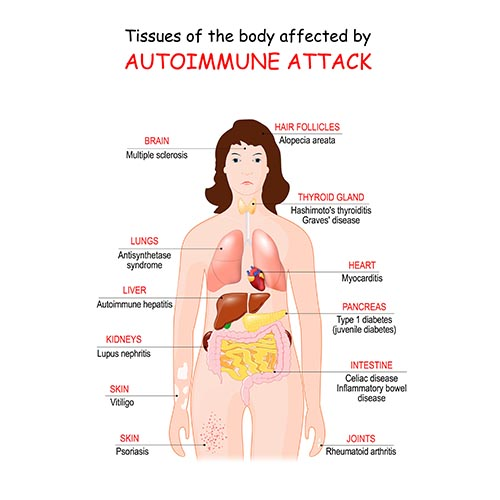
This immune response can lead to chronic inflammation, tissue damage, and a wide range of symptoms that may affect the joints, digestive system, thyroid gland, skin, nervous system, and other organs.
Although the exact cause of autoimmune disease is not fully understood, researchers have identified several factors that may increase the likelihood of developing these conditions.
Genetics and Family History
Genetics appear to play an important role in autoimmune disease development. Individuals with a family history of autoimmune conditions may have a greater risk of developing an autoimmune disorder themselves.
However, genetics alone rarely tell the whole story. Many people with a genetic predisposition never develop autoimmune disease, suggesting that other environmental and lifestyle factors may contribute to triggering immune system dysfunction.
Chronic Inflammation
Inflammation is a normal and necessary part of the body’s healing process. However, when inflammation becomes chronic, it can place ongoing stress on the immune system.
Persistent inflammation may be influenced by factors such as poor diet, chronic infections, environmental exposures, stress, inadequate sleep, and other lifestyle factors. Over time, chronic inflammation may contribute to immune system imbalance and increase the risk of autoimmune activity.
Gut Health and Immune Function
A significant portion of the immune system is closely connected to the digestive tract. Researchers continue to study the relationship between gut health, the microbiome, and immune system regulation. Your digestive tract does more than break down food; it also acts as a protective barrier, allowing nutrients to pass through, while keeping out harmful bacteria, toxins, pathogens, and undigested food particles.
Poor diet, toxin overload, pathogens, blood sugar imbalances, and chronic stress can weaken this barrier, leading to “leaky gut,” where the intestinal lining becomes too porous and allows undigested food, pathogens, and toxins to enter the bloodstream. The immune system then recognizes these particles as intruders and mounts an attack, often the starting point of autoimmunity.
Environmental Factors
Environmental influences may also contribute to autoimmune disease development in susceptible individuals. Exposure to certain infections, toxins, pollutants, or other environmental stressors may affect immune system function.
Researchers continue to investigate how environmental factors interact with genetics and other risk factors to influence the development of autoimmune conditions.
Chronic Stress and the Immune System
Stress affects virtually every system in the body, including the immune system. Prolonged physical or emotional stress may influence inflammatory pathways, hormone balance, sleep quality, and overall immune regulation.
Although stress alone does not cause autoimmune disease, chronic stress may contribute to an environment in which immune dysfunction becomes more likely.
Nutritional Factors
Nutrition plays a vital role in supporting overall health and proper immune system function. Deficiencies in key nutrients may affect the body’s ability to regulate inflammation and maintain optimal wellness.
Why Identifying Contributing Factors Matters
Because autoimmune diseases are often complex and multifactorial, many patients benefit from an approach that looks beyond symptoms alone. Understanding potential contributing factors may help create a more personalized plan for supporting overall health and wellness.
A comprehensive evaluation may consider lifestyle habits, nutrition, stress levels, environmental exposures, digestive health, medical history, and other factors that may influence immune system function.
Can Autoimmune Disease Triggers Differ From Person to Person?
Autoimmune diseases affect everyone differently. Some individuals may have a strong genetic predisposition, while others experience symptoms following infections, chronic stress, hormonal changes, or environmental exposures. Because each person is unique, identifying potential contributing factors often requires a comprehensive and individualized approach.
A Functional and Holistic Perspective
A holistic approach to autoimmune disease focuses on the whole person rather than a single diagnosis or symptom. By examining the broader picture of health, it may be possible to identify opportunities to support the body’s natural healing processes and improve overall quality of life.
This approach is intended to complement appropriate medical care and may include recommendations related to nutrition, lifestyle modification, stress management, and other individualized wellness strategies.
Learn More About Autoimmune Disease Treatment
Understanding the potential root causes of autoimmune disease is often an important first step toward improving overall health and well-being. If you have been diagnosed with an autoimmune condition or are experiencing symptoms that may be related to immune system dysfunction, a comprehensive evaluation may help identify factors that deserve further attention.
Frequently Asked Questions
What causes autoimmune disease?
Autoimmune diseases are believed to develop from a combination of genetics, inflammation, environmental factors, stress, nutrition, and immune system dysfunction.Can stress contribute to autoimmune disease?
Chronic stress may influence immune regulation and inflammatory pathways, potentially contributing to autoimmune symptoms and flare-ups.Does gut health affect autoimmune disease?
Research suggests that gut health and the microbiome may play an important role in immune system function.Are autoimmune diseases hereditary?
Genetics can increase susceptibility, although environmental and lifestyle factors also influence development.Can autoimmune disease be cured?
Most autoimmune diseases are chronic conditions. Treatment focuses on reducing inflammation, supporting immune function, and improving overall wellness.How to Get Started with your Holistic Program
To learn more about treatment options and personalized care, visit our Autoimmune Disease Treatments page or schedule a consultation with Dr. Salzarulo